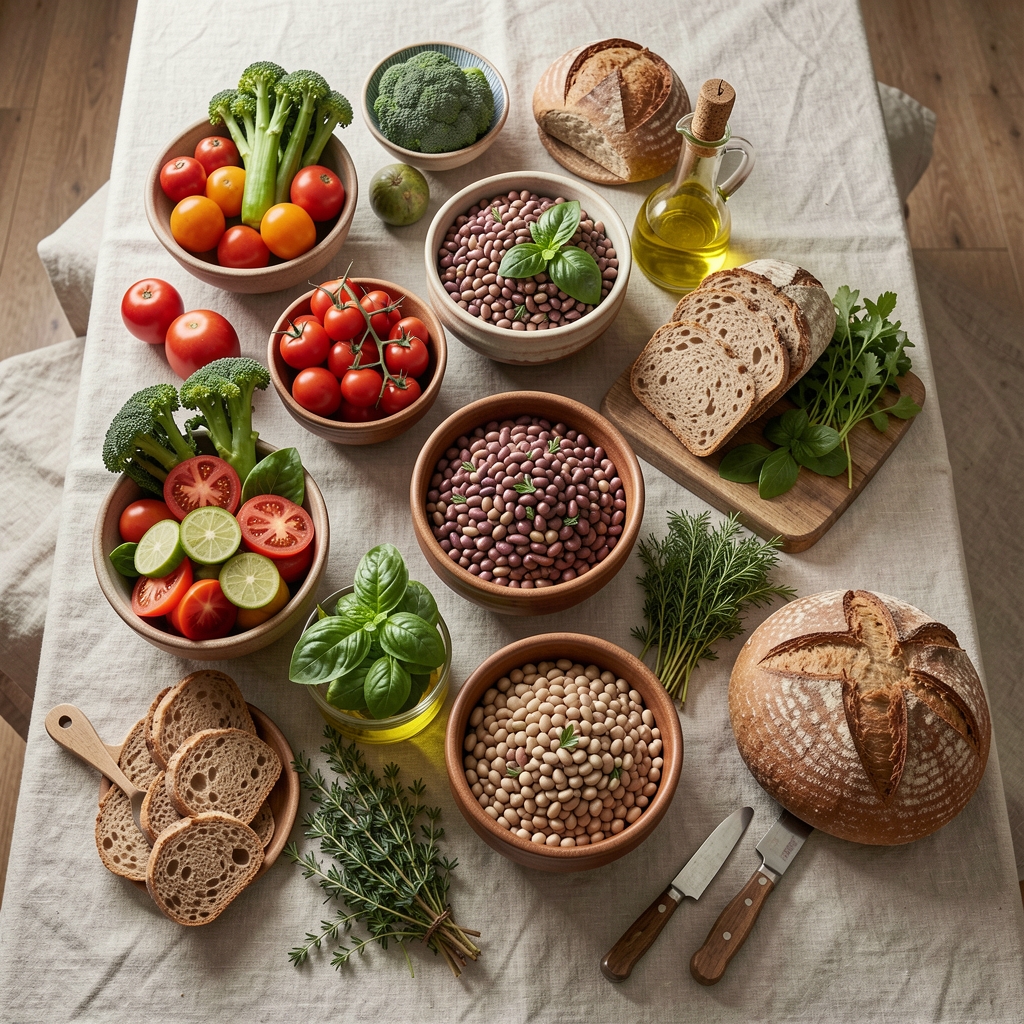
The Archive Range
Documented series spanning whole food recipes, seasonal eating, plant-based cooking, Mediterranean frameworks, and practical meal preparation — organised by topic for straightforward navigation.
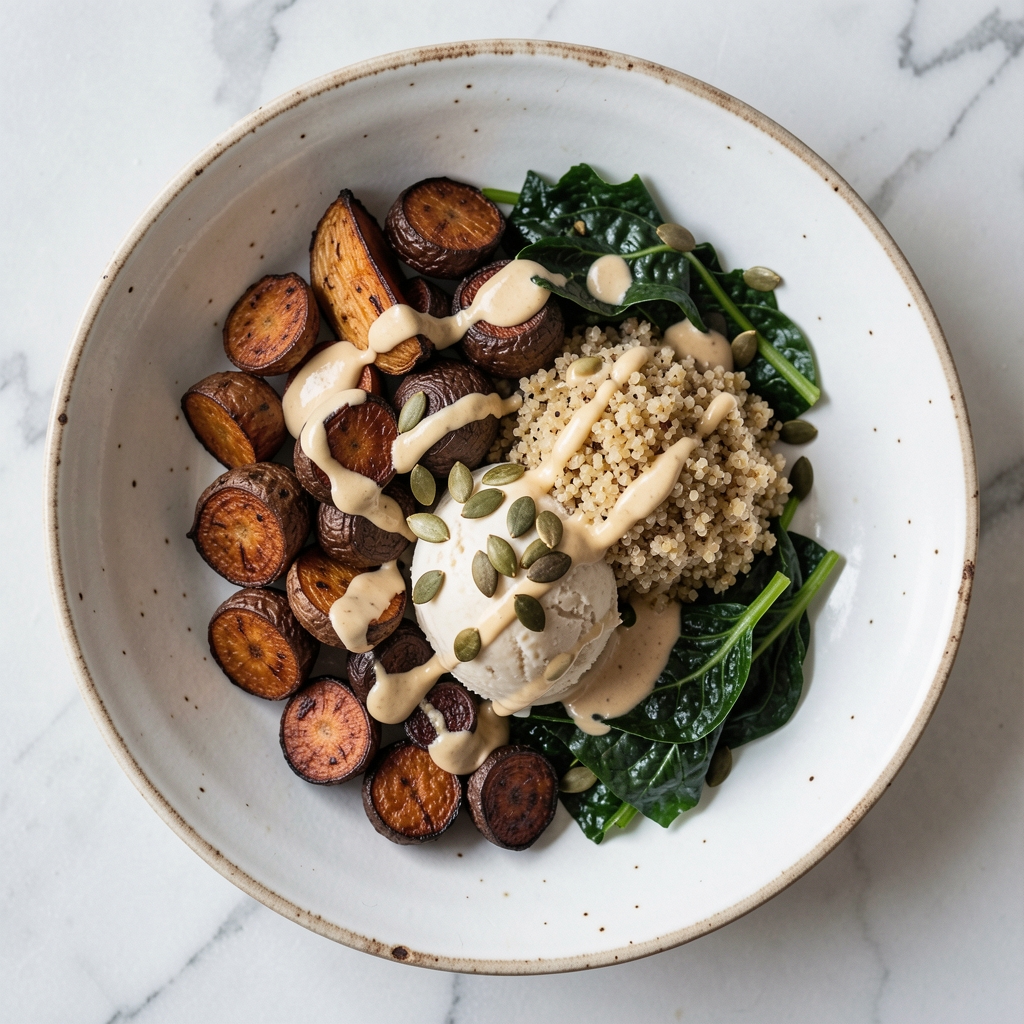
Whole Food Recipes
The whole food recipe series documents meals composed primarily of unprocessed or minimally processed ingredients. Each entry includes an ingredient list with sourcing notes, a preparation protocol, and an observation on how the recipe performs across different weekday constraints.
Recipes span breakfast compositions, grain-centred lunch arrangements, and evening meals suited to batch preparation. Plant-based cooking variants are documented alongside omnivore versions where relevant ingredient substitutions can be made without compromising the structural character of the dish.
Seasonal Eating & Nutrient-Dense Meals
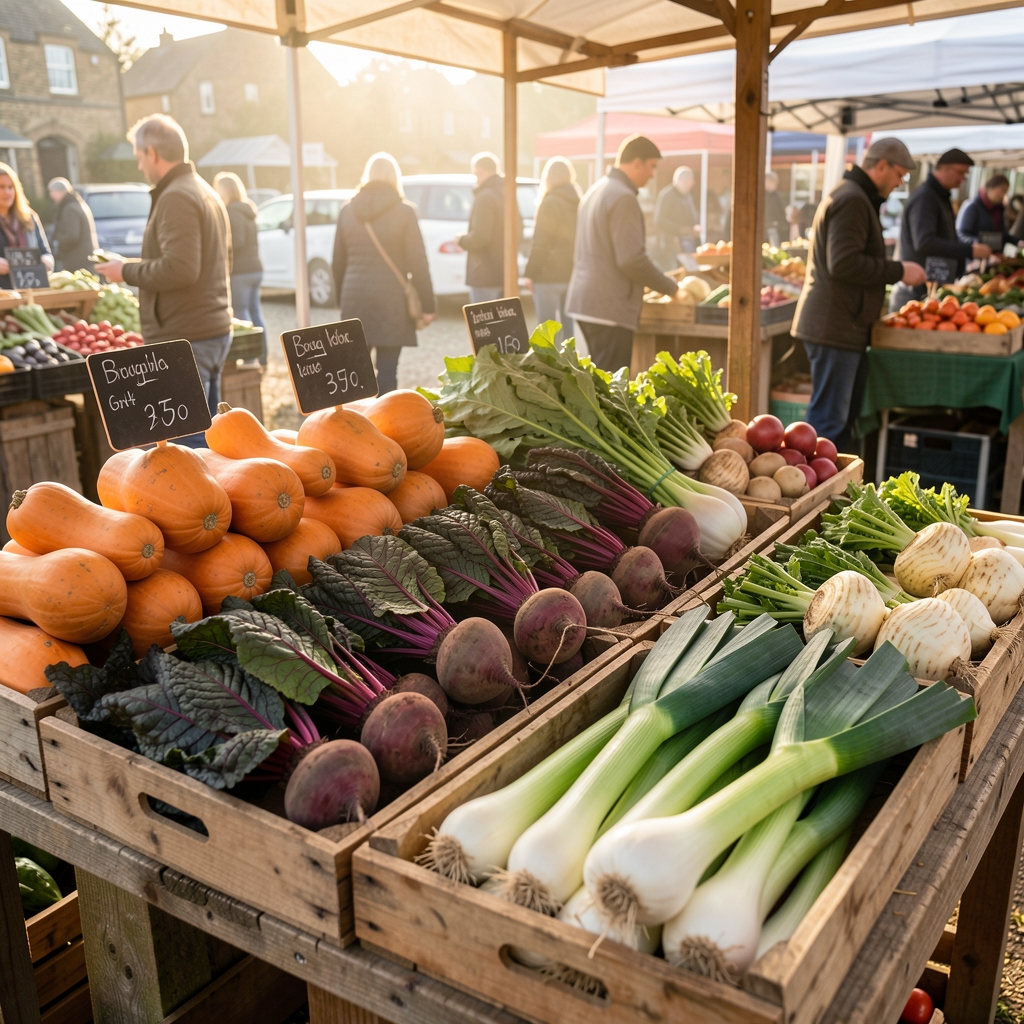
Published quarterly to align with the British agricultural calendar, this series maps the available seasonal produce to a set of nutrient-dense meal compositions. The documentation includes what is in peak season, what typical nutritional profile that produce carries at peak condition, and how to integrate it across a working week.
Each quarterly edition closes with a practical summary — a short shopping list built from the seasonal produce documented, and three to five whole food recipe suggestions that use it efficiently without repetition.
Meal Prep Ideas & Batch Cooking
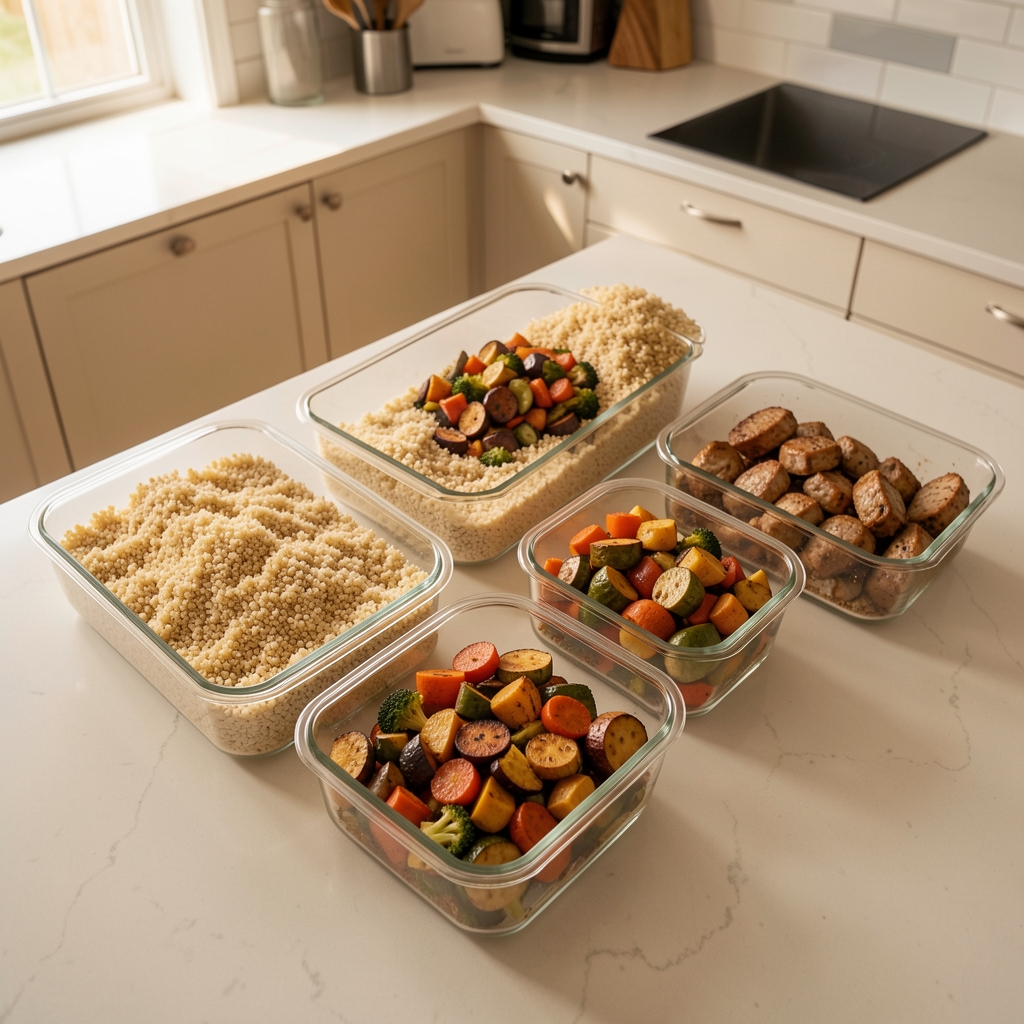
The meal prep documentation series takes a modular approach — documenting how individual components, prepared once per week, can be combined into a range of distinct meals across five days. The archive covers grain-cook protocols, roasted vegetable systems, and prepared protein approaches for both omnivore and plant-based variants.
Batch cooking entries are written with time annotations — how long each component takes to prepare, what can be done in parallel, and how the prepared components hold across different storage conditions. The emphasis is on making the process replicable without a fixed recipe being followed each time.
Mediterranean-Style Eating
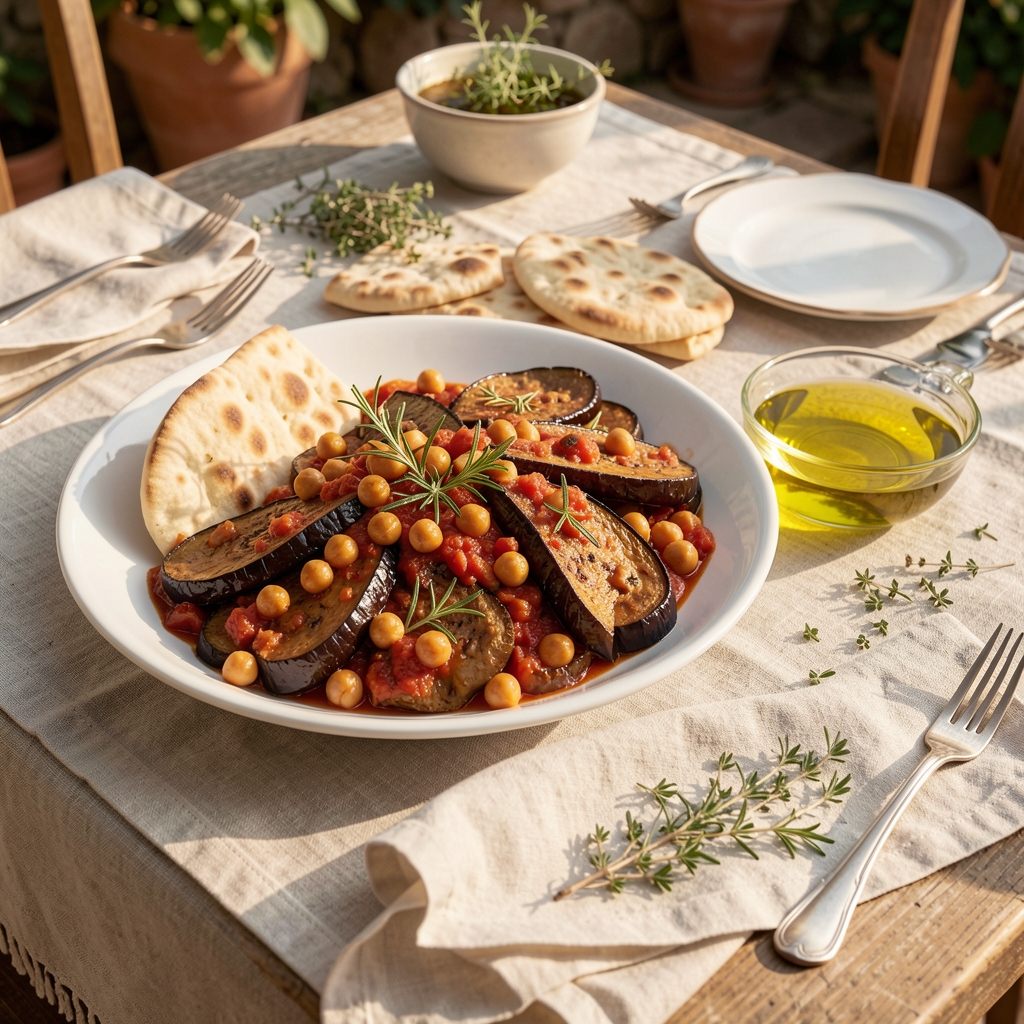
The Mediterranean-style eating series adapts the general framework of southern European food practice to a British kitchen context — focusing on olive oil, whole grains, legumes, seasonal vegetables, and moderate fish consumption as structural elements rather than instructive rules.
Each entry documents how a specific component of the Mediterranean framework integrates into ordinary weekday cooking, with notes on sourcing British alternatives where the traditional ingredient is impractical or seasonal.
Gut-Friendly Recipes & Fermented Foods
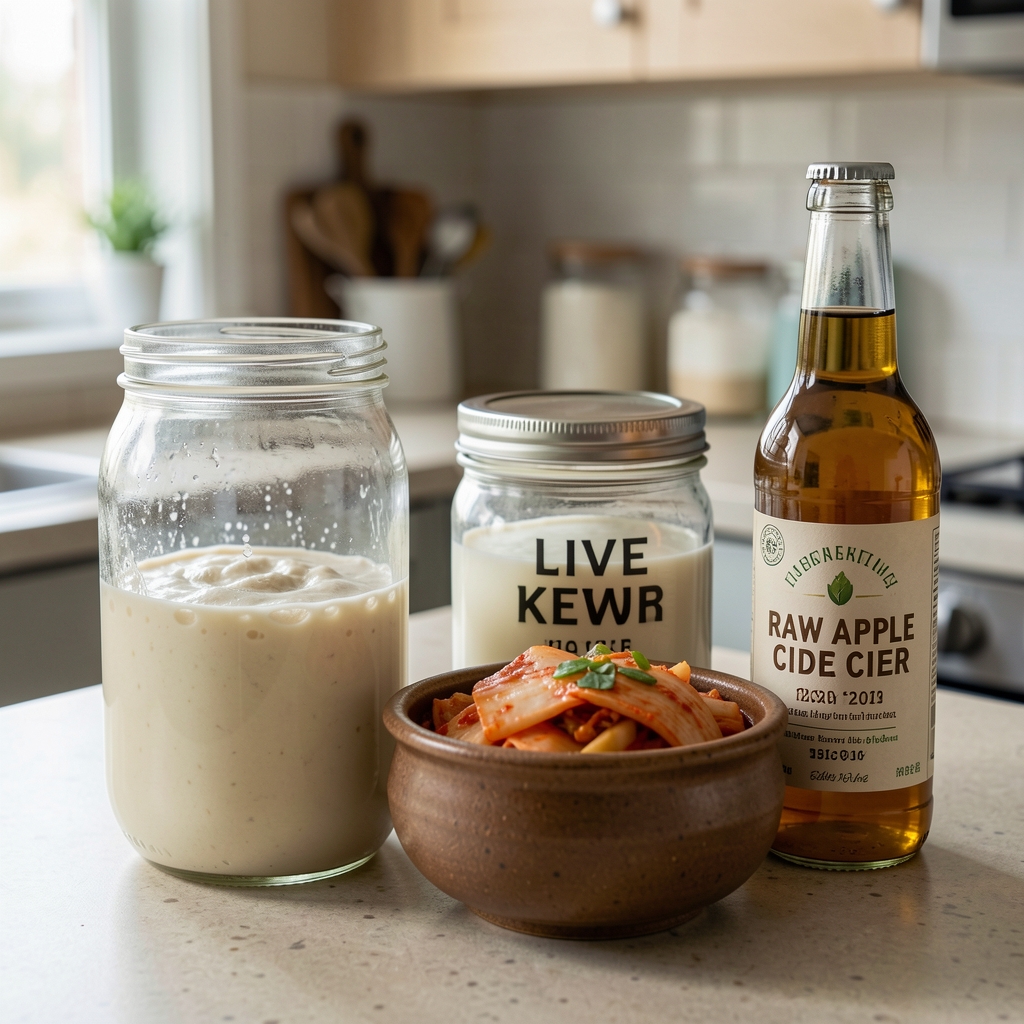
This series documents fermented foods — sourdough, kefir, kimchi, live yoghurt, sauerkraut, miso — in the context of a varied and balanced diet. Each entry includes preparation notes, a review of the available published nutritional research, and practical guidance on incorporating fermented foods into everyday eating.
Gut-friendly recipe entries extend beyond fermentation to document meals that include a broad range of fibre sources — from whole grains and legumes to seasonal vegetables — in compositions designed to support dietary variety rather than any specific outcome.
Reading Food Labels & Portion Awareness
The reference series on reading food labels takes a structured approach — explaining the ingredient ordering convention, the meaning of key declared values (energy, total fat, saturated fat, carbohydrates, sugars, protein, salt), and how to assess a product's nutritional character without specialist knowledge.
Alongside the label-reading entries, the portion awareness series documents how visual and environmental calibration — plate size, food arrangement, eating pace — affects the practical outcome of meals over time, drawing on published nutritional research rather than fixed numerical targets.

Anti-Inflammatory Foods
Documentation of ingredients with a published evidence base for interacting with inflammatory processes — including oily fish, turmeric, ginger, leafy greens, and olive oil — and how they integrate into ordinary British cooking without specialist knowledge.
See MethodologyMindful Eating Habits
An editorial exploration of how the environment and pace of eating affect the practical experience of meals — distraction, satiety, and the structural conditions that support consistent, attentive eating rather than habitual over or under-consumption.
See MethodologyPantry Staples Documentation
A reference series cataloguing the core pantry staples that underpin the Tarlonek recipe archive — whole grains, dried legumes, cold-pressed oils, fermented condiments, and preserved vegetables — with sourcing guidance and storage notes for a British household.
See MethodologySuggest a Topic for the Archive
The Tarlonek archive accepts topic suggestions from readers. If there is an aspect of everyday nutrition — a specific ingredient, a meal-timing question, a cooking technique — that you feel is underrepresented in the current documentation, reach out via the contact form.