FoundationNotes.
The Tarlonek archive was established in London with a straightforward intention: to document everyday nutrition in a register that is useful, honest, and free of commercial pressure.
Where the Archive Began
Tarlonek began as a private notebook — a running record of observations about how the people around the editorial team ate, what happened when they changed something small, and what the published nutritional research had to say about the patterns being documented.
The notebook grew into a series of essays. The essays attracted readers who were looking for something between academic writing and lifestyle content — practical, considered, and not dependent on selling anything. In 2022, the archive moved online in its current form.
The London base reflects where the archive operates from, not a limitation of its scope. The seasonal-eating documentation draws on the British agricultural calendar because that is the one that shapes the local markets and supermarket shelves the editorial team works with directly. International frameworks — particularly Mediterranean-style eating and fermentation traditions from across Europe — are referenced alongside British seasonal produce wherever the crossover is relevant.

"A notebook is honest in ways a published essay is not. You cannot edit out the meals that did not work, the weeks when the plan collapsed, or the observations that turned out to be wrong."

Editorial Direction
The editorial direction is managed by a qualified nutrition professional with a background in food writing and published nutritional research. The approach prioritises accuracy over authority and observation over prescription.
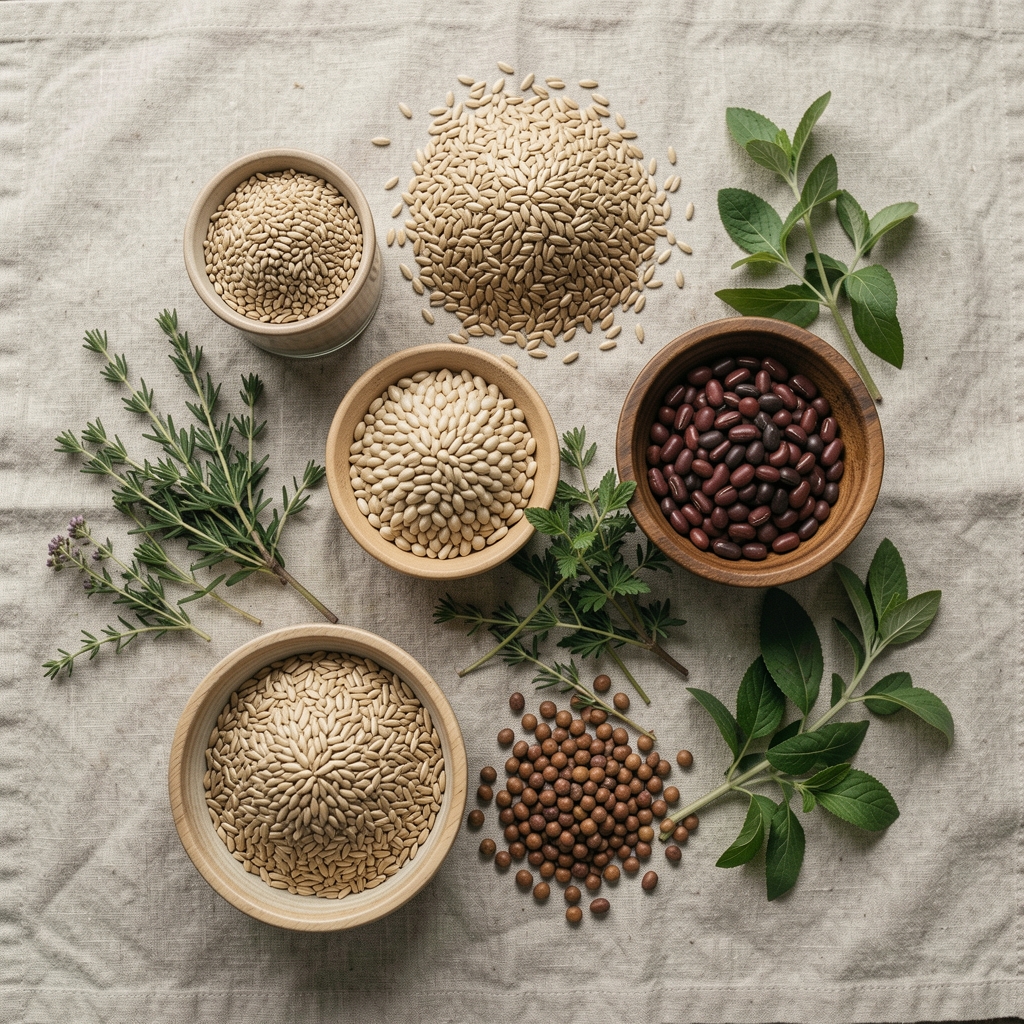
Food Research & Documentation
The recipe and documentation side of the archive is handled by a food researcher with a particular interest in seasonal eating and fermentation. Each documented recipe undergoes a structured testing process before publication.
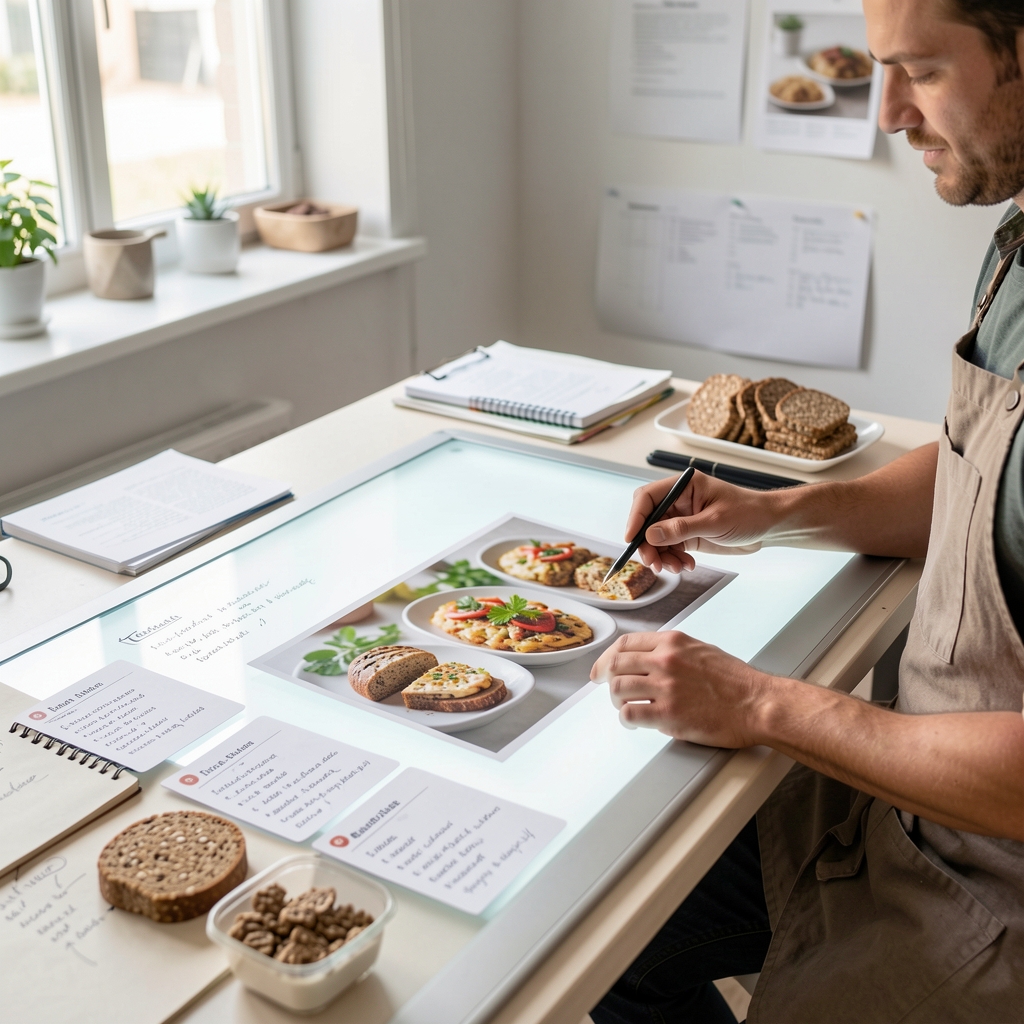
Editorial Standards Review
A dedicated standards review process checks each published entry against the archive's editorial criteria — accuracy of nutritional claims, appropriate use of published research, and consistency with the archive's overall framework.
The Principles Behind the Archive
The Tarlonek approach rests on a small number of working principles. The first is that food quality over quantity is a more durable framework than calorie management alone. This is not a position invented here — it emerges consistently from published research on long-term dietary adherence and is observable in the cooking traditions that have persisted across generations.
The second principle is that mindful eating habits are a structural matter. The environment in which food is prepared and consumed — the kitchen layout, the presence or absence of distractions, the time allocated — shapes outcomes as meaningfully as the specific ingredients used.
The third principle is that cooking from scratch is a skill, not a moral position. The archive documents practical techniques — slow cooking, batch cooking, fermentation preparation, grain-cook protocols — because skills reduce friction, and reduced friction makes consistent everyday nutrition more achievable than motivation alone.
Food Quality Over Quantity
Ingredient selection, sourcing context, and preparation method shape the nutritional character of a meal more reliably than portion size alone.
Seasonal Eating as a Framework
Aligning food choices with what the local seasonal calendar produces simplifies purchasing decisions and tends to improve ingredient freshness without deliberate effort.
Evidence-Informed, Not Prescriptive
Every editorial claim is cross-referenced against published nutritional research. The archive does not offer individual guidance — it documents observed patterns and published findings in a legible format.
Structure Over Willpower
Sustainable everyday nutrition emerges from well-designed systems — batch cooking schedules, stocked pantry staples, a seasonal rotation — not from exceptional discipline applied inconsistently.

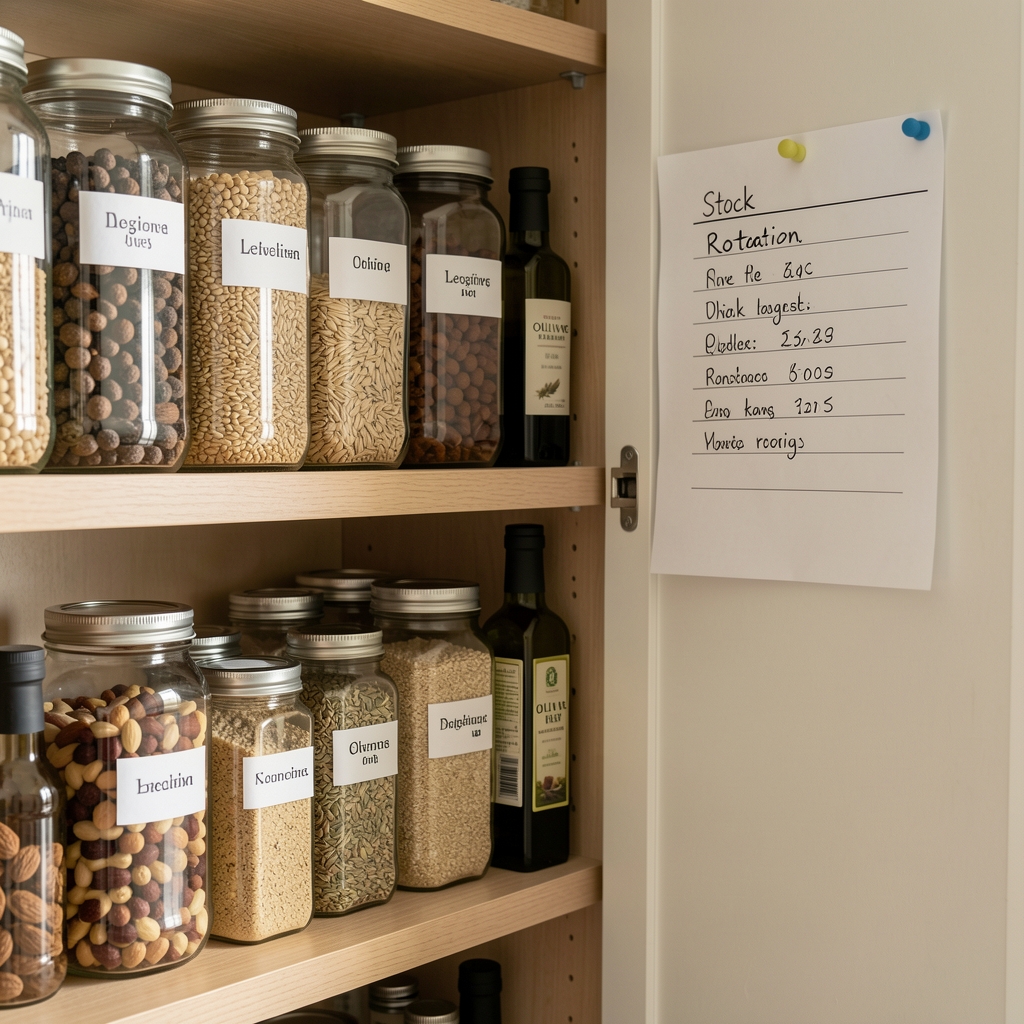
Ingredient profiles referenced in Tarlonek content are selected based on published nutritional research and are documented to reflect current understanding in food science. The archive does not provide individual dietary guidance.
We recommend speaking with a qualified wellness or nutrition professional before introducing any significant change to your daily routine, particularly if you have specific dietary requirements.
All archive content is reviewed against editorial standards prior to publication. Where research cited has been superseded by newer findings, entries are updated or annotated accordingly.